Tribal government / contemporary community · Added to the original list
Saginaw Chippewa Indian Tribe of Michigan
The Saginaw Chippewa Indian Tribe of Michigan identifies three Ojibway bands—Saginaw, Black River and Swan Creek—in its Ziibiwing Center history. The Tribe’s account links the Isabella community with nineteenth-century treaty and allotment experiences, later governmental reorganization and the creation of its cultural center. This is an individual government and community route alongside broader Ojibwe/Chippewa reading labels. Historical river communities, including the separate Tittabawassee reading route, require their own evidence rather than an assumed exclusive descent chart.
See each region’s evidence for historical or present-day scope.
Homeland / region
Great Lakes / Michigan
Research depth
Source guide
Source collection
2 annotated resources · 2 Indigenous-led
Inspected sources
1 substantive works · selected content reviewed
Initial adequacy
Still unfinished
Source review
October 27, 2026
Names & relationshipsBroader reading route: Ojibwe. Band-specific research remains queued.
A source guide for a deeper dive.This entry provides a brief orientation and an organized reading path. A comprehensive deep dive has not yet been completed. Follow the annotated sources and distinguish primary community accounts from outside reference material.
Still unfinished
A bounded named-community starting guide, with selected inspected reading and an individually scoped picture. Broader history, original records and community review remain open.
Assessment recorded October 27, 2026. This is separate from research completion and community review.
Compare the narrative with original treaty, allotment and reorganization records.
Broaden named community voices and each band’s own specific history.
Backdrop photographs & credits
These photographs have individual, documented connections to this entry. Their captions and source records define the people, place, object, and period shown; no one photograph represents every community within a broader label.
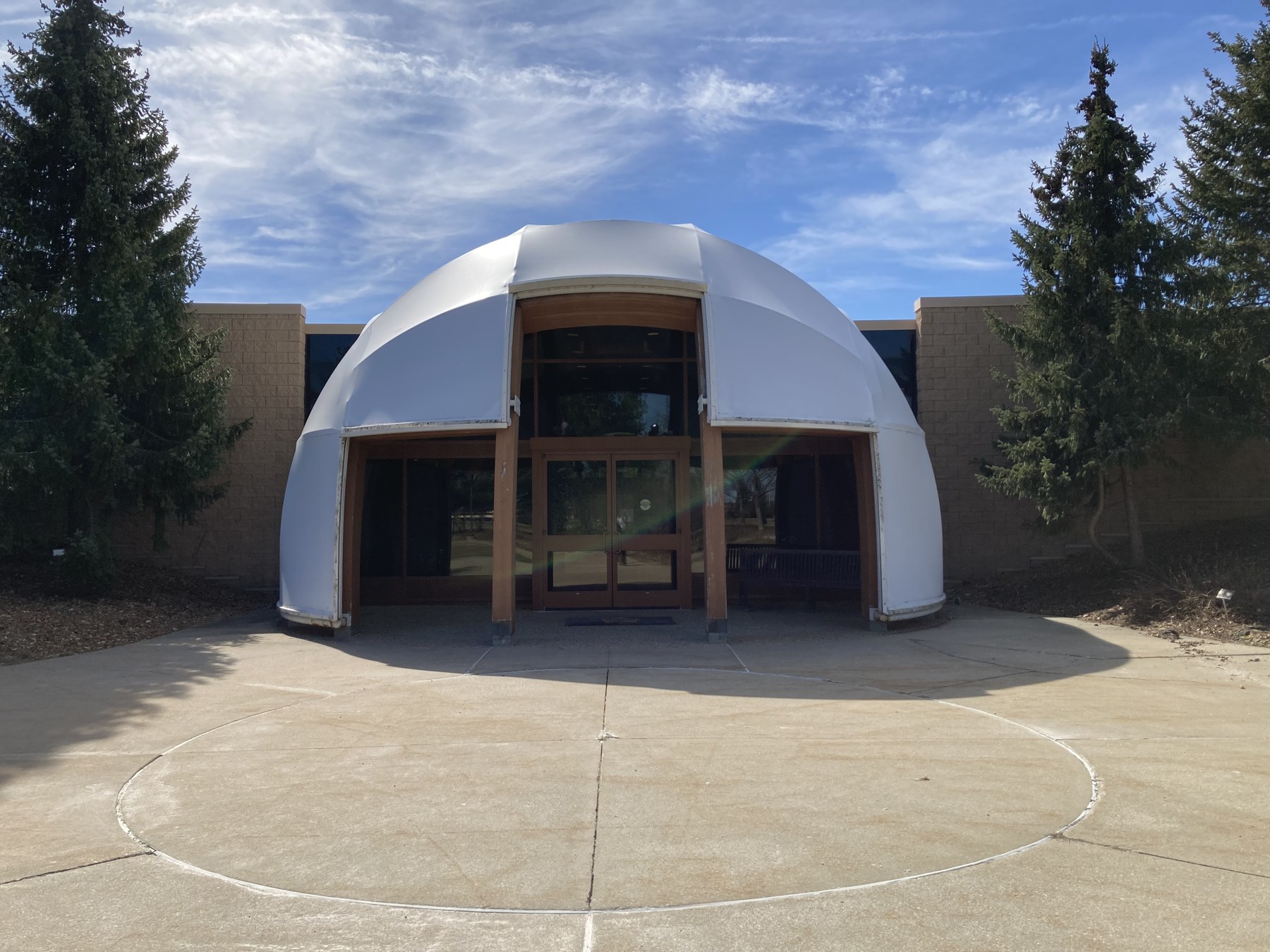
Ziibiwing Center building entrance, March2024 Nathan Strait,2024 · CC BY-SA4.0
Exterior of the Saginaw Chippewa Tribe’s Ziibiwing Center, a named cultural-history institution. This is the individually named Tribe’s cultural center, not an interior exhibit or every citizen’s portrait. Complete available 4032×3024 source frame proportionally resized to 1800×1350 and JPEG recompressed; no pixel crop or retouching. Source file preserved privately. CSS crops/overlays affect display only; creator/source/rights credit retained.
Image, association, and reuse record reviewed 2026-10-27.
Full photographs are displayed proportionally above. A translucent background copy may be cropped by the viewport; it does not replace the complete image or its record.
The visual treatment does not change the research status, evidence, or remaining gaps recorded in this profile.
Start reading here
An individually named community/government route; broader people labels and neighboring communities remain related context, not interchangeable identities.
These are selected starting points. The full annotated collection, source perspectives, inspection limits and remaining research questions follow below. A starting guide is not an exhaustive history or community endorsement.
01
Read the Tribe’s own historical account
Ziibiwing’s narrative connects treaties, allotment and community institutions. Its broad legal and quantitative statements remain a starting community perspective; the underlying instruments and implementation records were not independently reviewed for this entry.
The Tribe describes the Ziibiwing Center as a means of reclaiming and sharing its history. The exterior photograph depicts that particular institution; no interior collection, cultural object or visitor access condition is established by the picture.
Compare the narrative with original treaty, allotment and reorganization records.
Broaden named community voices and each band’s own specific history.
Published as an owner-authorized queued card after a narrow identification check. Zero substantive works counted; no history-completion or separate-government claim is made for band-name routes. This reviewed starting guide records selected actual-content sources, their perspectives and access limits. Reused earlier reviews retain their original dates/scopes; images and repeated URLs do not create new historical works. Comprehensive history and community review remain open.
Follow the reading path
Sources & further reading
Open any title to read the original source. Annotations explain what each link can help you explore.
No Indigenous-led source is identified in this entry yet. This is a gap in this collection, and does not imply an absence of community knowledge or organization.
The Tribe’s own historical account identifies its three Ojibway bands and describes reservation history, reorganization and the cultural center. It supplies present-community context, not an exclusive descent chart for river settlements.
Inspection: Content reviewed for the stated scope
Scope: Complete visible chronology and prose read, especially the three-band statement and reservation/reorganization paragraphs. Ancient chronology, numerical land-loss claims and broad legal assertions are not independently corroborated here.
Related entries may represent alternate names, constituent communities, wider groupings, or historical connections. Read the naming notes before treating entries as equivalent.
Robey’s Atlas of Indigenous North America · Compiled October 19, 2026 · Saginaw Chippewa Indian Tribe of Michigan