Tribal government / contemporary community · Added to the original list
Nez Perce Tribe
The Nez Perce Tribe is an Idaho tribal government rooted in Nimiipuu communities and homelands. Its public history connects fishing, hunting, trade and earlier councils with treaty-era change. Government and resource-care pages show a continuing nation whose responsibilities include community services, cultural preservation, land and water.
See each region’s evidence for historical or present-day scope.
Homeland / region
Idaho
Research depth
Source guide
Source collection
3 annotated resources · 3 Indigenous-led
Inspected sources
2 substantive works · selected content reviewed
Initial adequacy
Still unfinished
Source review
October 27, 2026
Names & relationshipsThis is an individually named government and community route. Its own publications and the selected institutional sources provide the scoped context below. Broader people-level reading routes are related context, not interchangeable governments, an individual citizenship determination or a boundary claim.
A source guide for a deeper dive.This entry provides a brief orientation and an organized reading path. A comprehensive deep dive has not yet been completed. Follow the annotated sources and distinguish primary community accounts from outside reference material.
Still unfinished
A compact source-led introduction to this named government. Selected public sources provide useful orientation, with limited voices, historical coverage and outcome evaluation; no comprehensive completion or community endorsement is claimed.
Assessment recorded October 27, 2026. This is separate from research completion and community review.
Compare the historical narrative with original treaties, allotment records and specific case holdings.
Broaden family, language, artistic and foodways voices; this institutional selection is not comprehensive.
Inspect program reports before claiming current outcomes, access or environmental recovery.
Backdrop photographs & credits
These photographs have individual, documented connections to this entry. Their captions and source records define the people, place, object, and period shown; no one photograph represents every community within a broader label.
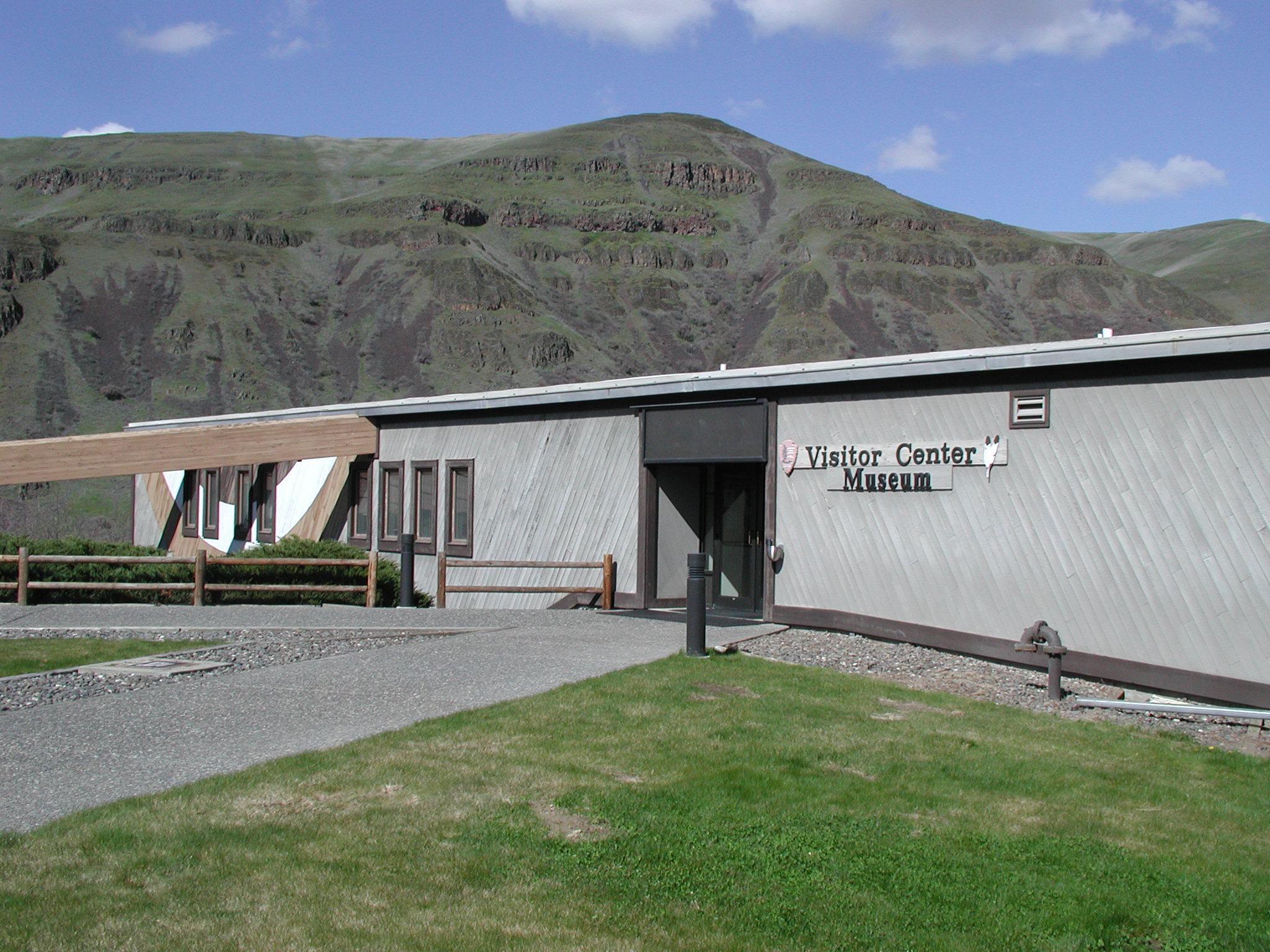
Spalding Visitor Center, Nez Perce National Historical Park National Park Service photo; Wikimedia Commons, Nepe 20060804105752.JPG.
Exterior of a public National Park Service visitor center at Spalding in Idaho, not the Nez Perce Tribal government offices or a depiction of all Nimiipuu communities. The NPS Spalding Site account explicitly describes Nez Perce Tribe involvement in developing the park, including a 1963 report commissioned for the Tribe. That establishes narrow institutional and place-based relevance to this government route. Commons description, NPS attribution, PD-USGov-NPS licensing and image metadata read; complete2048x1536 original JPEG downloaded from the Original file link and visually inspected. No sensitive site, membership, territorial or ownership inference is made. No pixel edits or cropping; cards/backgrounds may use disclosed CSS cropping. Photograph credit/reuse evidence adds no substantive reading-source count.
Image, association, and reuse record reviewed 2026-10-27.
Full photographs are displayed proportionally above. A translucent background copy may be cropped by the viewport; it does not replace the complete image or its record.
The visual treatment does not change the research status, evidence, or remaining gaps recorded in this profile.
Start reading here
Named government route; nearby people-level profiles remain related reading rather than interchangeable identities. Review dates and selected-content limits are preserved.
See cultural and environmental responsibilities described together by the Tribe.
These are selected starting points. The full annotated collection, source perspectives, inspection limits and remaining research questions follow below. A starting guide is not an exhaustive history or community endorsement.
01
Homelands and historical change
The Tribe places earlier Nimiipuu life across parts of present Idaho, Oregon and Washington, with travel farther east for hunting and trade. Its history describes leaders chosen for particular responsibilities and guided by councils. It then explains the pressures of gold-driven trespass, later treaties and allotment. This is the Tribe's own historical account; precise treaty terms and later court holdings require their original records.
The Tribe's government page distinguishes an elected Executive Committee, which makes policy and governs departments, from the General Council of adult tribal citizens. It identifies responsibilities including education, social services, housing, courts and law enforcement. These public descriptions are useful entry points to the named government. They do not assess how services operate for every family or establish current eligibility and access arrangements.
The Natural Resources Department describes cultural-resource protection as part of regional management and the continuation of Nimiipuu lifeways. Its public account also covers environmental restoration at Hanford, forestry, land services and water protection. These programs connect cultural responsibilities with ecological concerns and practical government work. Their institutional descriptions identify purposes and activities; they are not independent evaluations of environmental recovery or present program outcomes.
Compare the historical narrative with original treaties, allotment records and specific case holdings.
Broaden family, language, artistic and foodways voices; this institutional selection is not comprehensive.
Inspect program reports before claiming current outcomes, access or environmental recovery.
A community-specific starting guide reuses selected earlier actual-content reviews with their original dates/scopes. It does not add new global works merely because a URL appears on this route. Picture identification/rights are separate from historical adequacy or community endorsement.
Follow the reading path
Sources & further reading
Open any title to read the original source. Annotations explain what each link can help you explore.
No Indigenous-led source is identified in this entry yet. This is a gap in this collection, and does not imply an absence of community knowledge or organization.
The Tribe's own history connects traditional political organization and regional lifeways with treaties, land reduction and allotment. Its legal and land claims are attributed to the Tribe's public narrative; original instruments and court holdings were not independently reviewed in this pass.
Inspection: Content reviewed for the stated scope
Scope: Actual complete historical body, lines 8–20, read: Traditional Ways and Treaties. Footer/contact material not used. No original treaties, court cases, linked resources, images or demographic estimates inspected.
A concise direct orientation distinguishing the elected Executive Committee from the General Council and identifying departmental responsibilities. Retained as useful supporting context, not counted as a substantial independent research work.
Inspection: Supporting or limited review; see scope
Scope: Actual main body, lines 8–45, read. Linked NPTEC page lines 10–13 and General Council page line 8 also inspected for context; their personnel lists, schedules, reports and minutes are not used or counted as additional works.
The Tribe explains how cultural-resource protection, environmental restoration, land stewardship, forestry and water care fit within its governmental work. These program descriptions are institutional accounts, not independently measured outcomes or proof that all listed positions and services are currently available.
Inspection: Content reviewed for the stated scope
Scope: Actual selected main-body sections read: purpose and Cultural Resources lines 8–31; environmental restoration lines 37–48; Land Services lines 101–107; Forestry lines 114–116; Water Resources lines 124–126. Other exposed page material, staff contacts, changing program notices, linked websites, permits, reports and video are not relied upon.
Related entries may represent alternate names, constituent communities, wider groupings, or historical connections. Read the naming notes before treating entries as equivalent.
Robey’s Atlas of Indigenous North America · Compiled October 19, 2026 · Nez Perce Tribe