Red Rock Indian Band’s public history connects earlier settlements around Lake Nipigon with the community at Lake Helen. Selected sources introduce that history and a dated food-sovereignty partnership focused on shared harvesting spaces and gardening.
See each region’s evidence for historical or present-day scope.
Homeland / region
Ontario, Canada — listing address only
Research depth
Source guide
Source collection
2 annotated resources · 1 Indigenous-led
Inspected sources
2 substantive works · selected content reviewed
Initial adequacy
Still unfinished
Source review
October 27, 2026
Names & relationshipsListed as an Anishinabek Nation member First Nation. This is an organizational relationship; membership alone does not establish ethnicity, language, ancestry, citizenship, jurisdiction or representation of another named community.
A source guide for a deeper dive.This entry provides a brief orientation and an organized reading path. A comprehensive deep dive has not yet been completed. Follow the annotated sources and distinguish primary community accounts from outside reference material.
Still unfinished
A small, purposefully selected actual-content starting path and specifically scoped credited image are now available. Fuller history, source comparison and community review remain open; quantity does not establish completion.
Assessment recorded October 27, 2026. This is separate from research completion and community review.
Inspect the original survey and reserve-formation records behind the Band’s historical synthesis.
Find dated follow-up evaluations of the food projects and further community-authored public histories.
Backdrop photographs & credits
These photographs have individual, documented connections to this entry. Their captions and source records define the people, place, object, and period shown; no one photograph represents every community within a broader label.
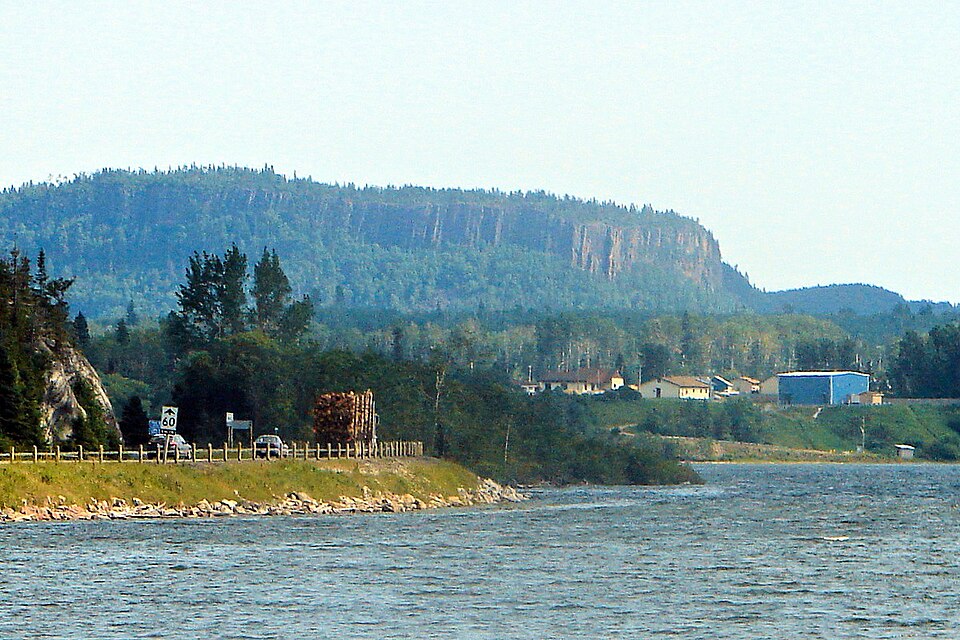
Lake Helen Reserve53A seen across Lake Helen P199 / Wikimedia Commons · CC BY-SA 3.0
Exact media caption identifies LakeHelenReserve53A. The Band’s Organizational Structure page independently locates its community there. A dated public landscape photograph of that identified place, not a representation of every member, current environmental condition or a surveyed boundary. Unchanged complete record-linked960px full-frame preview. The larger original was not inspected or copied. CSS crops/overlays affect display only. The photographic image remains available under CC BY-SA 3.0; creator/source/license credit retained. Parent imported the supplied complete JPEG unchanged; the recorded original/preview/earlier-derivative limits remain. CSS crops/overlays affect display only.
Image, association, and reuse record reviewed 2026-10-27.
Full photographs are displayed proportionally above. A translucent background copy may be cropped by the viewport; it does not replace the complete image or its record.
The visual treatment does not change the research status, evidence, or remaining gaps recorded in this profile.
Start reading here
A short starting path through selected actual-content works. Read each annotation for the specific community, period and inspection limits; this is not a complete history or community endorsement.
Follow a dated community partnership account about food and shared harvesting infrastructure.
These are selected starting points. The full annotated collection, source perspectives, inspection limits and remaining research questions follow below. A starting guide is not an exhaustive history or community endorsement.
01
Earlier settlements and reserve formation
The Band’s Early History account identifies earlier places of residence around Lake Nipigon, including Jackfish Island, Gull Bay and McIntyre Bay. It follows administrative steps in establishing a reserve land base between1885 and1914. These dates belong to a later community-published historical synthesis; they do not mean the people’s history began with reserve administration. The cited surveys and administrative records remain further research tasks.
The Understanding Our Food Systems case study describes Red Rock’s work on a community moose-hanging structure, plans for an adjacent butcher shop and a garden first grown in2019. It explains how the partnership connected shared infrastructure with harvesting, learning and participation by members living on and away from reserve. The account includes plans for2020, so proposed buildings, tourism and economic opportunities should not be described as completed results.
Develop a community-directed history and annotated reading collection.
Review community-specific imagery and reuse terms before substantive profile publication.
Review detailed relationships, naming changes and historical regional connections.
Inspect the original survey and reserve-formation records behind the Band’s historical synthesis.
Find dated follow-up evaluations of the food projects and further community-authored public histories.
Cohort06: selected actual-content sources and specifically scoped credited imagery form a bounded starting guide. Reused publications/photos are not new global works. Comprehensive history and community review remain open.
Follow the reading path
Sources & further reading
Open any title to read the original source. Annotations explain what each link can help you explore.
No Indigenous-led source is identified in this entry yet. This is a gap in this collection, and does not imply an absence of community knowledge or organization.
Read the entire short historical account. Identifies earlier communities around Lake Nipigon and dates reserve formation through1885–1914. An undated Band-published synthesis; underlying administrative records were not separately inspected. Current population assertions and burial-site details are not imported. Read the history alongside contemporary community accounts.
Inspection: Content reviewed for the stated scope
Scope: Read the entire short historical account. Identifies earlier communities around Lake Nipigon and dates reserve formation through1885–1914. An undated Band-published synthesis; underlying administrative records were not separately inspected. Current population assertions and burial-site details are not imported. Read the history alongside contemporary community accounts.
Review recorded: October 27, 2026
Access note: Substantial actual public article body read through the web reader; this is not an inspection of linked publications, photographs or underlying records. No login or reader paywall was encountered for the inspected text.
Read the entire community case study and project-phase descriptions. Documents the community’s moose-hanging and butcher-shop planning, shared harvesting space and a garden first grown in2019, with work planned for2020. Dated partnership account: future construction, tourism and economic goals are not proof of completion. Current totals, harvest locations and photos are not reproduced.
Inspection: Content reviewed for the stated scope
Scope: Read the entire community case study and project-phase descriptions. Documents the community’s moose-hanging and butcher-shop planning, shared harvesting space and a garden first grown in2019, with work planned for2020. Dated partnership account: future construction, tourism and economic goals are not proof of completion. Current totals, harvest locations and photos are not reproduced.
Review recorded: October 27, 2026
Access note: Substantial actual public article body read through the web reader; this is not an inspection of linked publications, photographs or underlying records. No login or reader paywall was encountered for the inspected text.